











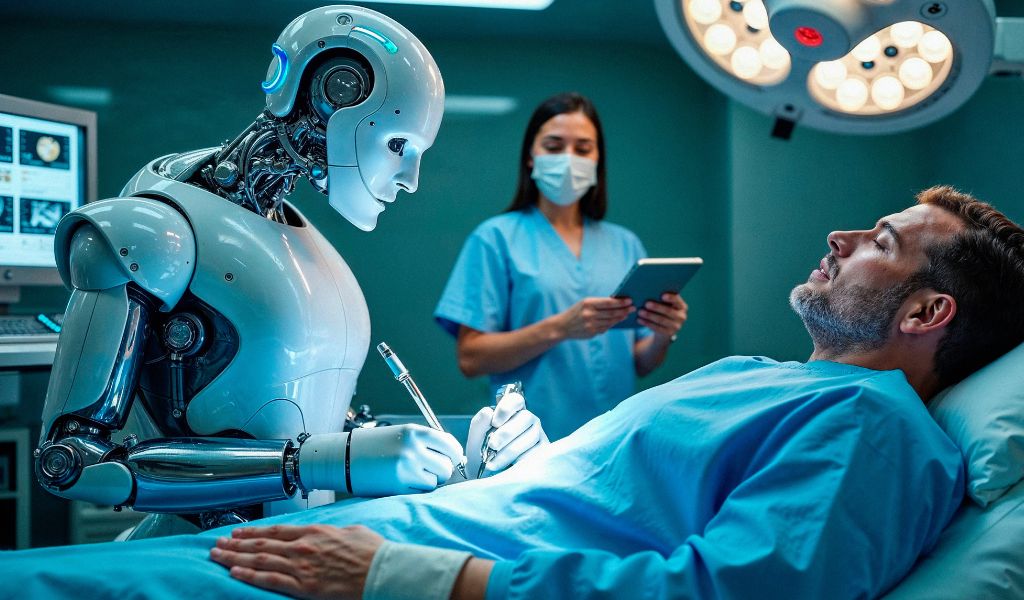
Yes. Robotic surgeries and modern treatments are becoming common in India, but many people still feel unsure about whether their health policy will pay for them. The explanation depends on your plan’s wording, the procedure category, and the claim conditions, not just the technology used.
In this guide, you will learn how insurers typically assess these procedures, which policy conditions can reduce your payout, and what to verify with your insurer and hospital in advance so you can choose the best health insurance plan in India with more clarity.
How Insurers Evaluate Coverage for Robotic and Modern Treatments
When a claim is assessed, insurers usually focus on a few practical points. These decide whether the treatment is payable and how much gets settled. They also influence how quickly the claim moves, what documents will be asked for, and whether any deductions may apply.
Medical Necessity and Doctor Documentation
Coverage is stronger when the treating specialist clearly documents the diagnosis, the reason for the procedure, and the treatment plan. If it looks optional, cosmetic, or not supported by records, approvals become difficult.
Where and How the Procedure is Done
Policies usually require treatment to be done in a recognised hospital setup. Also, many modern procedures are done as day care, meaning no long admission is needed. If your policy covers day care procedures properly, it supports such claims better.
The Policy’s Exclusions and Definitions
Some policies do not cover treatments considered experimental or not medically established. Others cover modern procedures only when they are clearly mentioned or defined in the policy wording. That is why you should always read the ” What’s Covered ” and ” What’s Not Covered” sections before assuming a treatment will be paid for.
Robotic Surgery: What to Verify Before You Assume it is Covered
Robotic surgery often comes with higher overall hospital packages, mainly due to specialised equipment and theatre charges. Even when the surgery is payable, deductions can happen if your policy has conditions.
This usually happens due to room category limits, co-payment clauses, sub-limits on certain treatment heads, or non-payable items billed separately. That is why you should review the estimate breakup and policy terms before admission.
Policy Areas to Review for Robotic Procedures
Before you proceed, review the key policy clauses that can affect whether robotic procedure costs are payable and how much the insurer will reimburse.
- Whether your plan mentions modern treatments or advanced procedures in the coverage section.
- Whether there are room category rules that can affect the final payout.
- Whether a co-payment applies, which is common in some senior-focused coverage.
- Whether the hospital’s billing includes items that your policy marks as non-payable.
A simple tip: ask the hospital for an itemised estimate in advance. It becomes easier to spot charges that may not be paid by insurance.
Modern Treatments: Coverage is Usually Based on the Benefit Category, not How New the Procedure is
Most insurers evaluate modern procedures under standard benefit heads such as hospitalisation, day care treatment, surgeon and operating theatre charges, diagnostics, and medicines prescribed during the admission.
So, coverage is typically decided by whether the procedure fits your policy’s defined benefits and claim conditions, not by how new or advanced the technique sounds.
Areas Where Modern Treatment Claims are Often Supported
These claims are usually considered when the treatment fits covered benefit heads like hospitalisation or day care, is medically necessary, and is supported by proper doctor notes and bills.
- Day care procedures, when your policy lists them or supports them broadly.
- Surgeon, anaesthetist, OT, and hospital charges for eligible procedures.
- Diagnostics that are linked to the admission and backed by medical advice.
- Certain implants or prosthetics, depending on your plan terms.
What matters is how your policy describes the benefit and how the hospital documents the necessity.
Final Thoughts
Robotic surgeries and modern treatments can be covered under many health policies, but you should never assume. Always check how your plan defines modern treatments, what restrictions apply, and how the hospital bills the procedure.
With the right pre-checks and clean documentation, you can significantly reduce out-of-pocket stress and make your policy work the way it is meant to.