











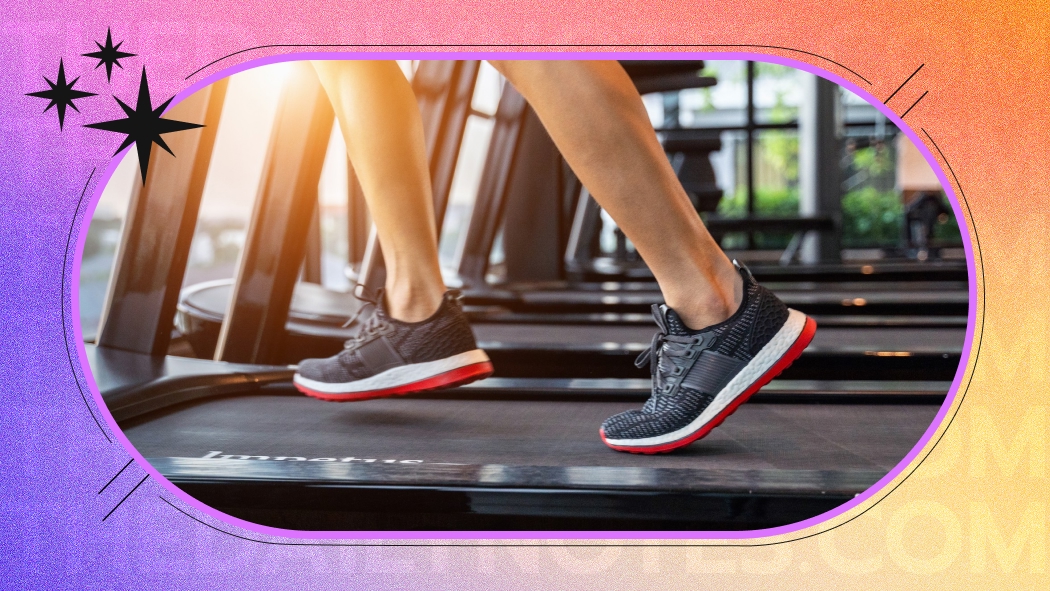
Buying training shoes is not just about picking a stylish pair from a shelf. Whether you’re lifting weights, doing HIIT workouts, attending CrossFit classes, or training for overall fitness, durable training shoes directly impact your performance, safety, and long-term foot health.
This detailed guide explains how to buy durable training shoes, what features to look for, how they should fit, how to maintain them, and when to replace them. We’ll also answer common questions and help you make a smart investment.
Why You Need Training Shoes?
Many people assume regular sneakers or running shoes are enough for gym workouts. However, training shoes are specifically engineered for multi-directional movement, stability, and impact support.
You need training shoes because:
- Gym workouts involve lateral movement
- Strength training requires stable foot positioning
- HIIT demands grip and shock absorption
- Functional training stresses multiple foot angles
Using inappropriate footwear can lead to:
- Ankle sprains
- Knee strain
- Plantar fasciitis
- Lower back discomfort
- Reduced workout efficiency
Durable training shoes protect you from unnecessary injuries while enhancing performance.
What Training Shoes Are Used For?
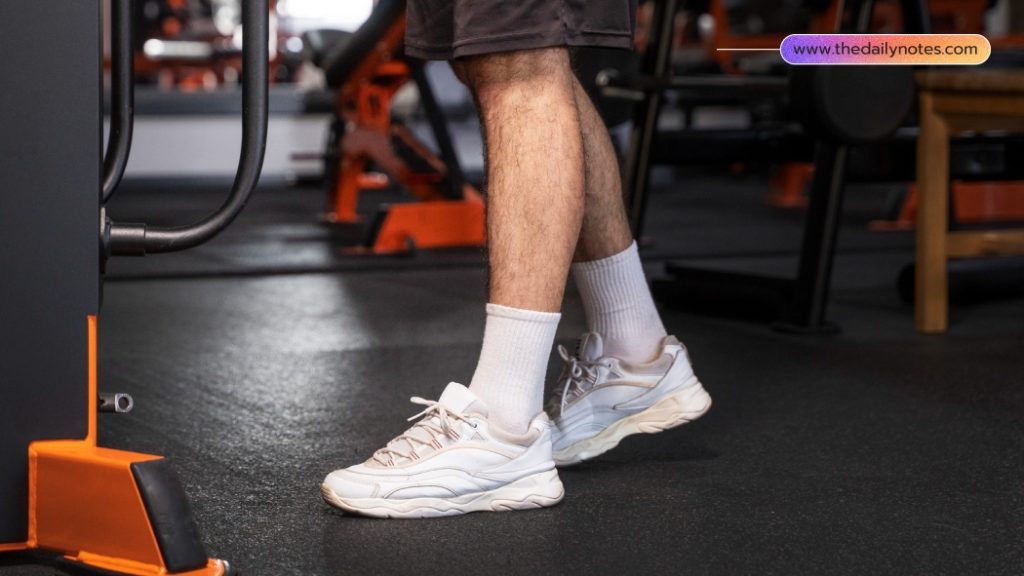
Training shoes are designed for:
- Weightlifting
- Cross-training
- HIIT workouts
- Circuit training
- Bodyweight exercises
- Aerobics
- Agility drills
- Short treadmill sessions
They are not optimized for:
- Long-distance running
- Marathon training
- Trail running
For example, models like Nike Metcon, Reebok Nano X, and Adidas Dropset Trainer are engineered for gym stability rather than endurance running.
Advantages of Training Shoes
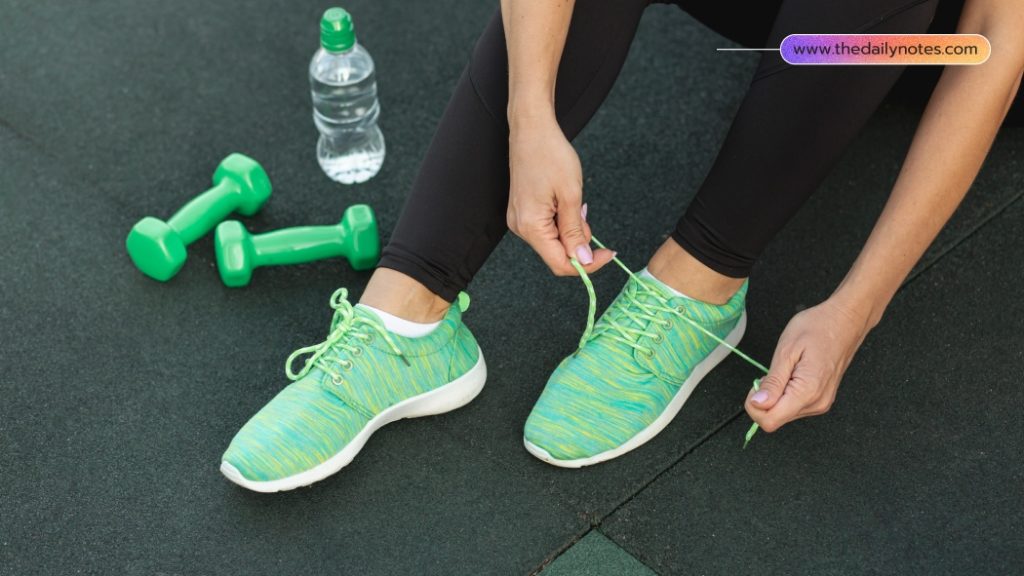
Training shoes are specifically engineered for gym workouts, strength training, and high-intensity functional movements.
Unlike running shoes, which prioritize forward motion and cushioning, training shoes focus on stability, balance, and multi-directional control.
Here’s a detailed look at why investing in proper training shoes makes a significant difference.
1. Improved Performance
Performance begins from the ground up. Your feet are your foundation, and the right training shoes enhance how effectively you move.
Durable training shoes provide:
- Strong grip on gym floors
- Stability during heavy lifts
- Quick lateral movement support
- Balanced foot positioning
- Better force transfer from foot to ground
When lifting heavy weights, stability matters more than cushioning. A firm, flat base allows you to generate power safely without losing balance.
Why this matters:
- During squats and deadlifts, a soft sole can compress, causing instability.
- During lateral drills, poor grip increases the risk of slipping.
- During plyometrics, unstable shoes reduce control and explosiveness.
Training shoes are designed to handle:
- Multi-directional stress
- Quick transitions
- Explosive movements
- Weighted exercises
This translates into better control, stronger lifts, and more confident movement.
2. Superior Support and Cushioning Balance
Training shoes are engineered to combine moderate cushioning with structural firmness.
They provide:
- Controlled shock absorption
- Firm heel support
- Stable midfoot structure
- Balanced cushioning (not too soft, not too hard)
Unlike running shoes, which often have thick, soft midsoles, training shoes prevent your foot from sinking during squats, lunges, or deadlifts.
Benefits of this balance:
- Protects joints from impact
- Prevents excessive inward rolling
- Maintains alignment under load
- Reduces strain on knees and ankles
Too much cushioning can cause instability. Too little cushioning can increase joint stress. Training shoes strike the middle ground.
3. Enhanced Comfort
Comfort directly affects endurance and workout quality. If your feet are uncomfortable, your performance suffers.
Well-designed training shoes offer:
- Breathable uppers to reduce overheating
- Flexible forefoot for natural toe movement
- Smooth inner lining to prevent irritation
- Secure heel lockdown to prevent slipping
Why comfort matters:
- Reduces fatigue during long sessions
- Minimizes blisters and hotspots
- Improves focus on performance rather than discomfort
- Encourages consistent training
Comfort doesn’t mean softness it means proper support without pressure points.
4. Multi-Directional Stability
Unlike running shoes, which are optimized for forward motion, training shoes are built for movement in every direction.
They support:
- Side shuffles
- Agility drills
- Box jumps
- Burpees
- Cross-training circuits
The wider base and structured upper help maintain control during quick lateral transitions.
This makes them ideal for:
- HIIT workouts
- Functional training
- Circuit training
- Sports conditioning
5. Versatility
Training shoes are highly adaptable.
They are suitable for:
- Gym workouts
- Short treadmill runs
- Strength training
- Functional fitness
- Everyday active wear
This versatility makes them practical for people who mix lifting, cardio, and bodyweight exercises in one session.
However, they are not ideal for long-distance running or hiking each shoe type serves a specific purpose.
6. Increased Durability
Durability is one of the biggest advantages.
Training shoes are built with:
- Reinforced uppers
- Dense midsoles
- Durable rubber outsoles
- Structured heel counters
They are designed to withstand:
- Repeated impact
- Weight pressure
- Friction from gym floors
- Lateral stress
High-intensity workouts place significant strain on footwear. Durable training shoes survive these sessions without breaking down quickly.
Longer lifespan means:
- Better value for money
- Fewer replacements
- Consistent performance over time
7. Injury Risk Reduction
Proper footwear reduces the likelihood of:
- Ankle rolling
- Knee strain
- Arch pain
- Heel discomfort
- Lower back stress
Stable training shoes help maintain correct posture and alignment during loaded movements. This is especially important when lifting heavy weights or performing explosive exercises.
8. Better Energy Transfer
A firm base improves how efficiently force moves from your feet into the ground.
This leads to:
- Stronger lifts
- Improved balance
- More explosive jumps
- Better control during sprints
Soft running shoes absorb energy, while training shoes channel it more directly.
9. Psychological Confidence
Wearing stable training shoes provides a mental advantage.
When your footing feels secure:
- You lift with more confidence
- You move more aggressively
- You focus better
- You hesitate less
Confidence plays a major role in performance progression.
10. Cost Efficiency Over Time
Because of their durability and versatility, training shoes:
- Last longer under gym stress
- Handle mixed workouts
- Reduce need for multiple pairs (for beginners)
While high-quality training shoes may cost more upfront, they often save money in the long run due to slower wear and fewer injuries.
Training Shoes vs Running Shoes
| Feature | Training Shoes | Running Shoes |
|---|---|---|
| Cushioning | Moderate | High |
| Stability | High | Moderate |
| Heel Drop | Lower | Higher |
| Lateral Support | Strong | Minimal |
| Best For | Gym & HIIT | Long runs |
Running shoes focus on forward motion. Training shoes support side-to-side movements. If you lift weights in running shoes, you risk instability.
The Anatomy of the Perfect Training Shoes
Understanding the anatomy of a training shoe helps you choose a pair that delivers durability, stability, and long-term performance. Each component plays a specific role. When all parts work together, the result is a shoe that supports heavy lifts, explosive movements, and daily gym sessions without breaking down prematurely.
Let’s break down every major element in detail.
1. Upper
The upper is the entire top portion of the shoe that wraps around your foot. It determines breathability, structure, lockdown, and long-term shape retention.
Look For:
- Reinforced mesh – Allows airflow while maintaining structure
- Synthetic overlays – Add strength in high-stress zones
- Durable knit materials – Flexible but resistant to stretching
- Double stitching – Prevents early tearing
- Toe reinforcement – Protects during lunges and push-offs
High-quality uppers resist stretching over time. Cheap materials lose shape, causing instability and poor foot alignment.
Avoid:
- Thin cloth that tears easily
- Weak glue bonding
- Loose stitching
- Excessively stretchy fabric without structure
A durable upper should feel snug and secure without collapsing during lateral movements.
2. Midsole
The midsole is the cushioning layer between your foot and the ground. It absorbs impact and provides energy return.
Common Materials:
- EVA foam (Ethylene Vinyl Acetate) – Lightweight and flexible
- TPU foam (Thermoplastic Polyurethane) – More durable and responsive
- Polyurethane (PU) – Dense, firm, and long-lasting
For Durability:
- Choose firm or medium-density foam
- Avoid overly soft, marshmallow-like soles
- Check for compression resistance
- Press the foam, it should rebound quickly
A durable midsole maintains its structure after repeated workouts. If it compresses permanently, shock absorption decreases, increasing stress on knees and ankles.
For weightlifting and strength training, a firmer midsole provides better stability than a highly cushioned one.
3. Heel-to-Toe Drop
The heel-to-toe drop refers to the height difference between the heel and the forefoot.
Training shoes typically have:
- 0–6mm drop
Lower Drop Benefits:
- Improved balance
- Better ground contact
- Increased stability
- Stronger foot engagement
A high drop (8mm+) is more common in running shoes and may feel unstable during squats or deadlifts.
For gym training, a lower drop helps maintain proper posture and reduces forward tilt during lifts.
4. Outsole
The outsole is the bottom layer that contacts the ground. It determines grip, durability, and traction.
Look For:
- Durable rubber compounds
- Flat, stable base
- Multi-directional traction patterns
- Reinforced edges
- Flex grooves for movement
Check For:
- Hard rubber in high-wear areas
- Toe bumper reinforcement
- Strong glue bonding
- Even tread pattern
Grip is critical for:
- Lateral movements
- HIIT drills
- Agility work
- Stability during heavy lifts
Worn-out outsole rubber leads to slipping and reduced control.
5. Width
Width is often overlooked but directly affects comfort and stability.
Training shoes typically come in:
- Standard width
- Wide
- Extra-wide
Incorrect width can cause:
- Blisters
- Toe compression
- Numbness
- Reduced circulation
- Foot fatigue
- Poor balance
Your foot should sit comfortably on the midsole without spilling over the edges. Proper width ensures natural toe splay during movement.
6. Weight
Weight affects agility and fatigue levels.
Lightweight Shoes:
- Improve speed
- Enhance agility
- Reduce energy expenditure
However, ultra-light shoes may sacrifice durability.
Ideal Balance:
- Light enough for explosive movement
- Strong enough to handle impact
- Structured enough for stability
Durable materials often add slight weight, but the trade-off is longer lifespan and better support.
7. Heel Counter
The heel counter is the stiff structure at the back of the shoe.
It should:
- Hold the heel firmly
- Prevent slipping
- Reduce side-to-side movement
- Maintain alignment
A strong heel counter improves ankle control and reduces the risk of rolling during lateral exercises. Press the heel area it should feel firm, not soft or collapsible.
8. Insole
The insole sits inside the shoe and affects comfort and arch support.
Look for:
- Removable insoles (easy replacement)
- Moderate arch contour
- Moisture-wicking material
A high-quality insole improves comfort and can extend shoe usability.
9. Toe Box
The toe box should allow natural toe movement.
It should:
- Be wide enough for toe splay
- Not press down on toenails
- Maintain structure during push-offs
A reinforced toe box adds durability, especially for exercises like lunges and sled pushes.
10. Midfoot Support
The midfoot area stabilizes the arch and prevents excessive rolling.
Look for:
- Secure lacing system
- Structured sidewalls
- Internal support bands
A locked-in midfoot prevents sliding and improves control during direction changes.
11. Ankle Support
Training shoes are typically low-cut, but they should still provide:
- A secure heel counter
- Stable base
- Locked-in midfoot
- Firm platform
Ankle stability reduces injury risk during explosive movements. High-top designs are not necessary for most training proper structure matters more than collar height.
12. Stitching and Construction Quality
Durability often depends on construction.
Inspect:
- Even stitching
- Clean glue lines
- Strong bonding between sole and upper
- No loose threads
High-quality construction ensures long-term structural integrity.
How All Components Work Together?
The perfect training shoe balances:
- Breathability
- Stability
- Cushioning
- Grip
- Durability
- Proper fit
A failure in one component affects overall performance. For example:
- Soft midsole + weak heel counter = instability
- Thin outsole + intense workouts = early wear
- Narrow width + wide foot = discomfort
Durability comes from thoughtful engineering, not just brand reputation.
How Training Shoes Should Fit?
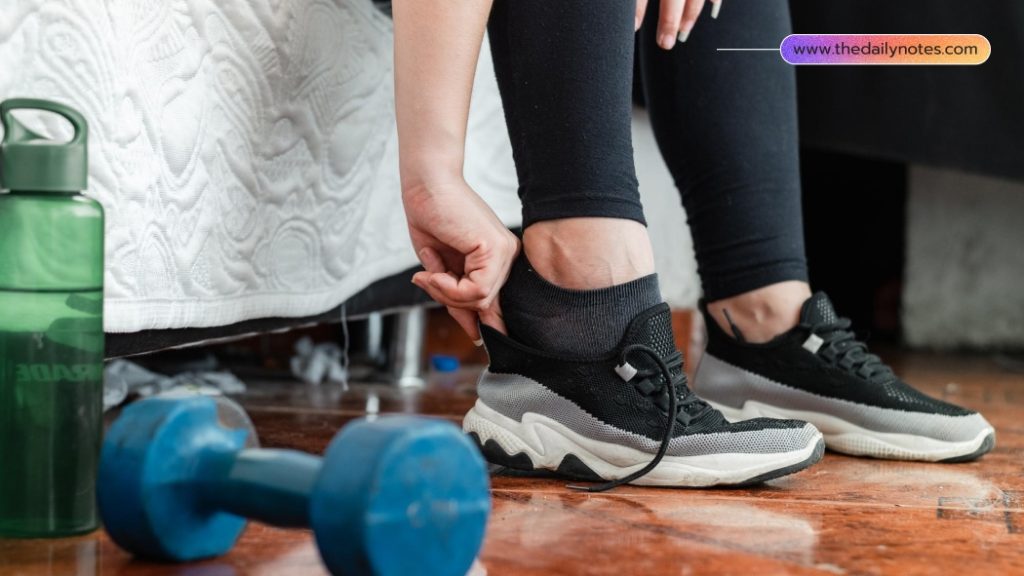
Proper fit is the foundation of comfort, performance, and durability. Even the highest-quality training shoe will fail if it doesn’t fit correctly.
A well-fitted shoe reduces injury risk, improves stability, and ensures the cushioning and support systems work as designed.
Here’s a detailed guide to getting the perfect fit.
1. Try on Shoes in the Afternoon
Your feet naturally swell throughout the day due to:
- Walking and standing
- Heat
- Fluid retention
- Physical activity
If you try on shoes in the morning, they may feel perfect but become tight during workouts later in the day.
Best practice:
Shop or try on shoes in the late afternoon or evening when your feet are slightly swollen. This gives you a realistic fit for training conditions.
2. Make Sure There’s Enough Toe Space
Your toes need room to move and expand during exercise.
Leave:
- About half an inch (thumb-width) between your longest toe and the front of the shoe.
- Enough room to wiggle toes comfortably
During squats, lunges, and explosive movements, your foot shifts forward. Without proper space, you may experience:
- Black toenails
- Toe pain
- Blisters
- Nail damage
However, too much space can cause sliding and instability. The fit should feel secure but not cramped.
3. Check the Width Carefully
Length is important but width is equally critical.
Proper width means:
- No spilling over the midsole
- No bulging along the sides
- No tight pressure across the forefoot
- No numbness or tingling after a few minutes
If the shoe feels tight across the ball of your foot, it may restrict circulation and cause discomfort during longer workouts.
Many people size up unnecessarily when they actually need a wider fit. Always check if the brand offers wide options before increasing size.
4. Wear Your Gym Socks
Always try shoes on with the socks you’ll actually wear for training.
Why this matters:
- Thick socks add volume
- Thin socks may make shoes feel looser than they are
- Compression socks change internal fit
Trying shoes barefoot or with thin store socks can mislead sizing and cause surprises later. Your training socks should feel natural inside the shoe not cramped or sliding.
5. Lace Them Up Properly
Don’t judge fit without tightening the laces.
Once laced:
- Heel should not slip when walking
- Midfoot should feel secure
- Arch should feel supported
- No lace pressure on the top of your foot
- No pinching near eyelets
If your heel lifts during walking or jogging, the shoe may be too big or lack proper heel structure.
If tightening causes pain on the top of your foot, the shoe may be too narrow or poorly designed for your foot shape.
6. Perform Movement Tests
Never stand still and decide. Training shoes are built for motion.
Try:
- Squats
- Lunges
- Side shuffles
- Small jumps
- Short jog
During these movements, the shoe should feel:
- Stable
- Balanced
- Secure
- Responsive
You should not feel wobbling, sliding, or instability during lateral moves.
If the shoe shifts side-to-side easily, it may lack the structure needed for gym training.
7. Check the Heel Fit
The heel counter (back of the shoe) plays a major role in stability.
Proper heel fit:
- Snug but not tight
- No rubbing
- No slipping
- No digging into Achilles
Heel movement leads to blisters and reduces lifting stability.
8. Pay Attention to Arch Feel
Arch support should feel natural not forced. Too little support may cause:
- Arch fatigue
- Plantar discomfort
Too much support may cause:
- Pressure under the arch
- Foot strain
The arch area should feel supportive but not intrusive.
9. Walk Around for At Least 10–15 Minutes
A quick try-on isn’t enough. Walk around the store or room for several minutes. Sometimes discomfort appears only after a short period of wear.
Shoes should feel comfortable immediately. Do not assume they will “break in” significantly. Minor softening may happen, but pain should never be expected.
10. Consider Your Foot Type
Your natural foot structure affects fit.
- Flat feet may need more stability
- High arches may need more cushioning
- Neutral feet need balanced support
Choosing a shoe that matches your foot type enhances both comfort and durability.
11. Check Both Feet
Most people have one foot slightly larger. Always fit shoes to your larger foot. If one side feels tight, go with the size that accommodates the bigger foot comfortably.
12. Common Signs of Poor Fit
Avoid shoes if you notice:
- Immediate discomfort
- Toe cramping
- Heel slipping
- Side bulging
- Pressure points
- Numbness
- Excessive looseness
A properly fitted training shoe should feel:
Secure + Stable + Comfortable + Balanced.
How to Take Care of Your Training Shoes?
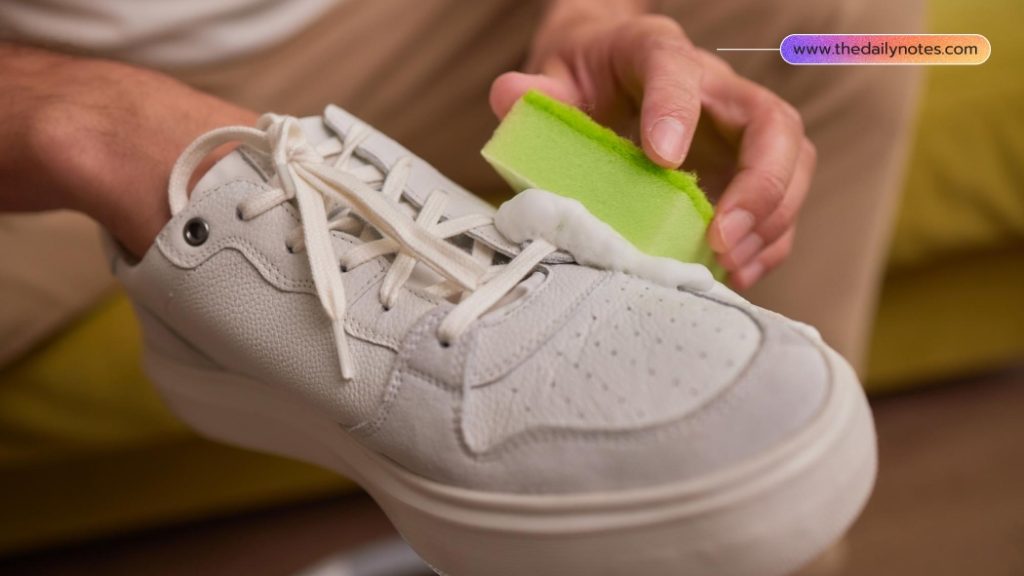
Proper maintenance can significantly extend the life of your training shoes. Good care keeps them supportive, hygienic, and performance-ready for longer. Here’s a detailed guide to help you maximize durability.
1. Brush Them Off Regularly
After every workout, remove surface debris before it settles into the material.
Remove:
- Dirt
- Mud
- Dust
- Chalk (from gym floors)
- Grass or sand (if used outdoors)
How to Do It:
- Use a soft brush or old toothbrush
- Gently brush the outsole and upper
- Wipe with a slightly damp cloth if needed
Why it matters:
Built-up dirt weakens fabric fibers and reduces breathability. Mud and dust can also dry out materials and cause premature cracking.
Tip: Make it a 2-minute habit after each workout.
2. Hand Wash Them Properly
Avoid washing machines. The agitation and heat can:
- Damage glue bonds
- Warp the sole
- Break down cushioning foam
- Cause shape distortion
Safe Hand-Washing Steps:
- Remove laces and insoles
- Brush off loose dirt first
- Mix mild soap with lukewarm water
- Use a soft brush or cloth to scrub gently
- Rinse carefully without soaking the shoe completely
- Wipe off excess soap with a clean damp cloth
Wash insoles separately to eliminate odor buildup.
How often?
Every 4–6 weeks depending on usage and sweat levels.
3. Air Them Out After Every Workout
Moisture is the biggest enemy of durability.
Sweat trapped inside shoes can:
- Break down foam faster
- Cause odor
- Promote bacteria growth
- Weaken internal structure
Best Drying Method:
- Remove insoles
- Loosen laces
- Stuff shoes with newspaper or paper towels
- Let them air-dry in shade
Avoid:
- Direct sunlight (can harden and crack materials)
- Hair dryers
- Heaters
- Clothes dryers
Let them dry naturally for 24 hours if possible before the next use.
4. Store Them Properly
Improper storage shortens lifespan.
Avoid:
- Damp areas
- Closed gym bags for long periods
- Direct sunlight
- Cramped shoe piles
Store in:
- A cool, ventilated space
- A shoe rack with airflow
- A breathable shoe bag
If you keep shoes in a gym locker, take them home regularly to air out fully.
5. Rotate Your Training Shoes
If you train 5–6 days per week, one pair isn’t enough.
Why Rotation Helps:
- Foam needs 24–48 hours to fully decompress
- Reduces moisture buildup
- Distributes wear evenly
- Extends overall lifespan
Ideal Plan:
- Use two pairs
- Alternate days
- Assign one pair for heavier sessions (leg day, HIIT)
- Use the other for lighter workouts
Rotation can extend durability by up to 30%.
6. Protect the Outsole
The outsole determines grip and safety.
To preserve it:
- Avoid wearing training shoes casually on rough roads
- Don’t use gym shoes for outdoor running
- Clean small stones stuck in tread
- Avoid dragging your feet during exercises
Using shoes only for their intended purpose increases longevity.
7. Use Them for the Right Activity
Training shoes are designed for gym floors and controlled surfaces.
Avoid using them for:
- Long-distance road running
- Hiking
- Trekking
- Daily heavy outdoor use
Each activity stresses materials differently. Using the wrong shoe for the wrong purpose accelerates breakdown.
8. Replace Insoles When Needed
Sometimes the shoe is still good, but the insole is worn out.
Signs:
- Flattened arch support
- Lingering odor
- Reduced comfort
Replacing insoles can improve comfort and extend usability for a few more months.
9. Avoid Over-Tight Lacing
Over-tightening:
- Stresses eyelets
- Warps upper material
- Damages stitching
Tie snugly but comfortably to maintain structure.
10. Inspect Monthly
Quick monthly check:
- Press midsole for rebound
- Look for uneven wear
- Check heel stability
- Inspect stitching
Catching small issues early prevents major damage.
When Should You Replace Training Shoes?
Training shoes don’t fail overnight they gradually lose cushioning, stability, and support. Replacing them at the right time prevents injuries and maintains performance. Here’s a detailed guide to help you know exactly when it’s time.
1. Visible Wear and Tear
Physical damage is the most obvious sign.
- Check the Outsole (Bottom of the Shoe)
- Thinning rubber in high-impact zones (heel and forefoot)
- Smooth, bald patches where tread once existed
- Uneven wear (one side more worn than the other)
- Reduced traction or slipping during workouts
If the outsole is worn down, grip and shock absorption decrease significantly.
2. Inspect the Midsole (Cushioning Layer)
- Deep creases in foam
- Permanent compression (doesn’t bounce back after pressing)
- Noticeable flattening
- Shoe feels harder than before
The midsole is the heart of your training shoe. Once compressed, it cannot fully recover.
- Examine the Upper
- Torn mesh or fabric
- Loose stitching
- Toe box separation
- Heel lining worn through
A damaged upper reduces stability and lockdown, which can increase injury risk.
2. Pain or Discomfort
Sometimes your body notices shoe breakdown before your eyes do.
If you begin feeling:
- Arch pain
- Heel pain
- Knee discomfort
- Shin splints
- Lower back tightness
- Ankle instability
Your shoes may have lost structural integrity and shock absorption. Even mild discomfort that wasn’t present before can signal that cushioning has deteriorated.
3. Reduced Performance
Shoes directly affect movement efficiency.
Watch for:
- Loss of grip during lateral movements
- Sliding during lunges or quick direction changes
- Feeling unstable during squats or lifts
- Reduced energy return while jumping
- “Dead” or flat feeling underfoot
When your workouts feel harder without a clear reason, worn footwear may be the cause.
4. Mileage and Usage Time
Even if shoes look fine, internal materials break down over time.
General lifespan guidelines:
- 400–600 workout hours
- 8–12 months for regular gym users
- 6–8 months for high-intensity or heavy users
Factors that shorten lifespan:
- Training on hard surfaces
- High body weight
- Frequent HIIT or plyometrics
- Daily use without rotation
- Exposure to heat and moisture
If you train 4–5 times per week, expect replacement roughly once per year.
5. Compression Test (Simple At-Home Check)
Press your thumb firmly into the midsole:
- If it springs back quickly → cushioning is still active
- If it stays dented or feels stiff → foam is fatigued
You can also place old and new shoes side by side. Height difference in the midsole is a strong indicator of breakdown.
6. Shoe Rotation Strategy
Following the “3 shoe rule” (running, training, casual) helps:
- Extend shoe life
- Allow foam recovery
- Improve hygiene
- Reduce odor buildup
Rotating shoes can increase lifespan by 20–30% compared to wearing one pair daily.
7. Signs You Should Replace Immediately
Replace your training shoes right away if:
- You feel sharp pain during workouts
- The sole begins separating
- Grip fails during lifting
- You experience repeated minor injuries
Ignoring worn shoes often leads to higher medical costs than replacing them.
FAQ
Here are a few questions and queries on the topic of how to buy durable training shoes that others have asked that might be helpful for you at the same time.
1. What is the 3 shoe rule?
The 3 shoe rule is a practical footwear rotation strategy that suggests owning at least three types of shoes:
- Running shoes – For jogging, cardio sessions, and long-distance activities.
- Training shoes – For gym workouts, weightlifting, HIIT, and cross-training.
- Casual everyday shoes – For walking, commuting, and daily wear.
The main purpose of this rule is to:
- Prevent overuse of one pair
- Allow shoes to properly dry and decompress
- Extend overall shoe lifespan
- Improve hygiene
- Maintain better foot support for different activities
When you rotate between shoes, the midsole foam has time to recover its shape, which reduces early compression and breakdown. This rotation can significantly increase durability and protect your joints from repeated stress.
For fitness enthusiasts or athletes training 4–6 times per week, this rule is especially important.
2. What is the most durable school shoe brand?
Durability in school shoes depends on:
- Leather quality
- Sole construction
- Stitching strength
- Outsole grip
- Daily wear conditions
Brands commonly recognized for durable school shoes include:
- Bata
- Clarks
- Woodland
However, durability varies by model. Genuine leather uppers and thick rubber outsoles typically last longer than synthetic alternatives.
To maximize school shoe lifespan:
- Polish regularly (if leather)
- Avoid water exposure
- Rotate pairs if possible
- Replace worn insoles
The most durable option is not just about brand—but about material quality and proper care.
3. How long do trainer shoes last?
On average, training shoes last:
- 6–12 months for moderate users
- 400–600 hours of active training
- 300–500 miles (if used for mixed cardio)
However, durability depends on:
- Workout intensity
- Body weight
- Training frequency
- Surface type (rubber gym floor vs concrete)
- Shoe construction quality
Heavy gym users (5–6 sessions per week) may need replacement every 6–8 months. Lighter users may extend use to 12 months or slightly longer.
Always monitor:
- Outsole grip wear
- Midsole compression
- Heel breakdown
- Toe box damage
Visible wear is not the only indicator performance loss is equally important.
4. What should I look for in a training shoe?
When buying durable training shoes, prioritize the following:
1. Durable Upper
- Reinforced mesh or synthetic overlays
- Strong stitching
- Breathable but structured material
2. Firm Midsole
- Balanced cushioning (not overly soft)
- Compression-resistant foam
- Stable base for lifting
3. Stable Heel
- Rigid heel counter
- Minimal wobbling
- Good lockdown when laced
4. Proper Width
- No squeezing or toe crowding
- Room for natural toe splay
- Snug but not tight midfoot
5. Good Grip
- Rubber outsole
- Multi-directional tread
- Flat base for lifting
6. Comfortable Fit
- No pressure points
- Smooth interior lining
- Secure feel during movement
Comfort + durability + stability = ideal training shoe.
7. What is the healthiest shoe for your foot?
The healthiest training shoe supports your foot’s natural biomechanics.
Look for shoes that:
- Support the arch (without overcorrecting)
- Maintain neutral alignment
- Offer moderate cushioning
- Prevent excessive inward or outward rolling
- Fit properly without squeezing
Avoid:
- Extremely flat, unsupported soles (unless specifically training barefoot style)
- Overly soft midsoles for heavy lifting
- Shoes that force unnatural foot angles
- Tight toe boxes
A healthy shoe reduces:
- Knee strain
- Ankle instability
- Lower back discomfort
- Plantar fasciitis risk
Remember: the “healthiest” shoe depends on your foot type—flat, neutral, or high arch.
8. What is the 5 4 3 2 1 packing rule?
The 5-4-3-2-1 packing rule is a minimalist travel strategy:
- 5 tops
- 4 bottoms
- 3 pairs of shoes
- 2 dresses or formal outfits
- 1 accessory set
When traveling for fitness or active trips, your three shoes might include:
- Training shoes
- Casual sneakers
- Formal or walking shoes
Including durable training shoes ensures you stay active while traveling without damaging casual footwear.
9. Which shoe brand is durable in India?
Several brands offer durable training shoes in India:
- Nike
- Adidas
- Puma
- Asics
Durability depends on:
- Model type
- Price range
- Intended activity
- Material composition
Mid-range to premium training models typically offer better durability than entry-level designs.
10. What sneakers do Navy SEALs wear?
Navy SEALs use tactical, military-grade footwear built for extreme durability and performance.
Brands often associated with tactical durability include:
- Under Armour
- Salomon
These shoes emphasize:
- High-traction outsoles
- Waterproof or rugged materials
- Ankle support
- Long-lasting durability
While civilian training shoes differ from tactical boots, the emphasis on grip and durability is similar.
11. Which shoes does MS Dhoni use?
Indian cricket legend MS Dhoni has been associated with Puma through endorsement campaigns.
Professional athletes typically choose footwear based on:
- Performance support
- Brand sponsorship
- Sport-specific design
For everyday training, choose shoes based on your needs—not celebrity endorsements.
12. How often should I change my training shoes?
General guidelines:
- Every 8–12 months for moderate use
- Every 6 months for heavy gym routines
- Sooner if pain develops
Replace your training shoes if you notice:
- Flattened midsole
- Slipping grip
- Uneven sole wear
- Arch discomfort
- Reduced shock absorption
Continuing to use worn-out shoes increases risk of:
- Knee strain
- Shin splints
- Heel pain
- Lower back discomfort
Your body will often signal when it’s time to upgrade.
Finding the Perfect Training Shoes
Buying durable training shoes is about more than brand name or aesthetics. Focus on:
- Fit
- Stability
- Midsole quality
- Outsole grip
- Upper durability
- Proper maintenance
Rotate shoes, clean them regularly, and replace them when performance declines.
The right pair will:
- Improve workouts
- Reduce injury risk
- Enhance comfort
- Last longer
- Save money in the long run
Invest smartly. Your feet carry you through every workout give them the durability they deserve.