










Steel is likely the strongest and most versatile material on this planet. It is the backbone of our bridges, skyscrapers, ships, factories, and windmills. Its greatest strength is its reliability—it won’t flex, and that’s what makes it reliable.
But occasionally steel has to bend. Not in the sense of being weak, but in precision, intentional curves that allow architects, engineers, and builders to create buildings that are functional and beautiful.
That’s where profile rolling comes in. And what is profile rolling with precision—measured millimeter by millimeter, crafted with care, and adaptable with even the most complex designs—Danvals, based in Denmark, has earned its reputation as one of Europe’s go-to experts.
From one-of-a-kind bespoke pieces to mass production, Danvals is not just shaping steel—they’re shaping possibilities.
What Is Profile Rolling? A Deep Dive Into The Process
Profile rolling, or section bending or cold forming, is a highly specialized metalworking process.
In contrast to welding, cutting, or hot bending, profile rolling does not involve the application of heat to reshape steel.
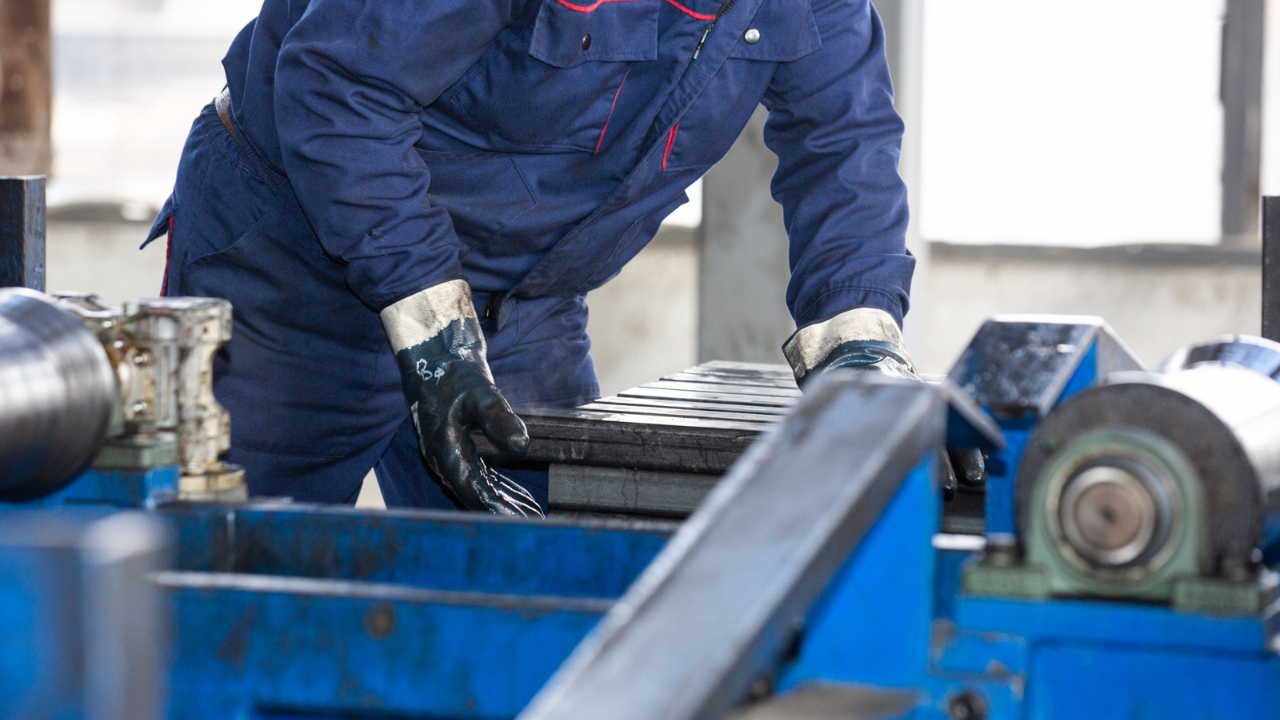
Instead, it employs mechanical pressure and a carefully calibrated series of rollers to bend steel beams, channels, tubes, or hollow sections very slowly into the desired shape.
Here’s why it’s so special:
- Cold forming process – The steel is not warmed up, so its internal grain structure and mechanical strength are retained.
- High-precision machinery – Hydraulic or mechanical rollers convey intense pressure along the profile.
- Strength retained – Profile rolling does not add weak points, such as welding or cutting, retaining the original integrity of the steel.
- Flexibility – From dramatic turns to beautiful curves, nearly any form is possible if skills and equipment are available.
Profile rolling basically allows straight, stiff steel to take on new forms—without losing the strength that makes steel so attractive.
Why Profile Rolling Is Important In Modern Engineering?
Why curve the steel, anyway? The answer lies in the way that modern industries progress in design and performance.
- Architectural Innovation: Architectures no longer involve boxes. From stadium roofs to glass-clad facades, architects rely on rolled steel to help support brash, curved structures.
- Infrastructure Needs: Bridges, tunnels, and transportation systems often require arched or curved supports in order to weigh strength against design.
- Energy Transition: Renewable power systems like windmills and solar parks need specialized, curved steel elements that can endure high stress and aggressive environmental conditions.
- Marine & Offshore Applications: Ships, piers, and offshore constructions rely on rolled steel to endure tough environments.
If profile rolling had never come into existence, the majority of structures that define our modern era—from the wonder of sweeping bridges to the pragmatism of renewable energy facilities—would not be feasible.
The Technical Side: Methods Of What Is Profile Rolling
Profile rolling is not a conventional process. Depending on the profile and requirements, engineers use different methods of rolling. Some of the most widely used ones are:
Three-Roll Bending (Pyramid Rolling)
The most popular technique, where three rollers apply pressure to bend the steel progressively. It delivers close curves and big arcs with a high level of precision.
Four-Roll Bending
Offers more control by utilizing four rollers, thus ideal for more complex curves and maintaining consistency in large profiles.
Incremental Rolling
Used on very large or massive sections, it is a process of rolling in steps with slight alterations each step until the desired curve is achieved.
Asymmetric Rolling
A process used when profiles need to be bent differently or have individual radii in different sections.
Danvals has the knowledge to implement these methods in client needs, employing both advanced machinery and human capability to shape that many of their rivals would find “too tricky.”
What Is Unique About Danvals?
Numerous companies can bend steel. But Danvals has specialized in doing it with precision, versatility, and a problem-solving style.
Visit their full capabilities here: https://danvals.com/profile-rolling/
This is what sets them apart:
- Flexible Capacity – From a single special test article for an architect to a large production order for a wind farm, Danvals has the equipment and processes to handle it.
- Millimeter Accuracy – Precision is critical in engineering, and Danvals has strict quality controls in place to ensure that every rolled profile fits into place perfectly.
- Problem-Solving Competency – The majority of suppliers will not accept complicated designs. Danvals adore them, usually successfully producing work that other companies won’t even accept.
- Full Range of Materials – From standard carbon steels to high-end alloys and stainless steels, they roll profiles in a range of grades and sizes.
- Engineer-Controlled Process – Every job is viewed not just as a bending exercise, but as an engineering challenge.
This engineering-first mindset is what brings customers back time and again. Danvals doesn’t just roll steel—they work with businesses to make sure the solution works on-site, in practice, and in performance.
Industries That Rely On Profile Rolling
Profile rolling is all around us, yet not always in the spotlight. Here’s a look at where Danvals’ experience is making a difference:
1. Infrastructure & Construction
- Arched-girder bridges
- Curved-reinforcement tunnels
- Highway and transport systems
2. Renewable Energy
- Wind turbine structures
- Solar panel curved supports
- Hydro and wave energy structural components
3. Marine & Offshore
- Ship structures
- Dockside structures
- Offshore drilling and wind platforms
4. Architecture
- Stadium roofs and domes
- Curved facades for buildings
- Glass-fronted offices
5. Heavy Industry & Manufacturing
- Factory frames for equipment
- Refineries
- Industrial plants
If it’s big, structural, and steel—profile rolling has probably played a role in it.
Case-Style Examples: Where Rolled Steel Shapes Our World?
Let’s consider the kinds of projects where Danvals’ abilities can make a difference, to better understand the worth of what profile rolling is:
- Northern European Bridges: Great steel arches that support loads while creating a legend in design.
- Offshore Wind Farms of the North Sea: Offshore turbines require massive rolled steel supports resistant to salt corrosion and fierce winds.
- Architectural Icons: Modern Danish architecture is famous for curve-bending and glass usage. Rolled steel is hidden behind their facades.
- Industrial Installations: From chemical complexes to refineries, curved steel shapes guarantee equipment and infrastructure in cramped layouts.
These examples demonstrate how profile rolling enables industries to balance form, function, and strength.
The Danvals Edge: A Danish Approach To Engineering
Precision engineering is deeply rooted in a tradition in Denmark, combined with innovative design.
Danvals demonstrates the heritage, combining state-of-the-art technology with craftsmanship as a way of life and shrewd problem-solving.
- Reliability: On-time delivery of projects, quality at or above expectations.
- Sustainability: Cold forming is a more energy-efficient process than many hot working processes, which aligns well with Europe’s sustainability goals.
- Partnership Mindset: Danvals doesn’t sell steel—rather, they work with engineers, architects, and manufacturers to solve problems together.
It’s the union of technology and mentality that makes them stand out, not just as a supplier, but as a respected partner in accuracy.
Final Thought: Shaping Steel, Shaping The Future
Profile rolling never gets its day in court, but without profile rolling, our modern world would be a very different one.
The soaring curves of bridges, the swooping contours of wind turbines, and the curves of innovative architecture all owe their existence to rolled steel.
And though most companies can bend steel, few have Danvals’ blend of experience, precision, and troubleshooting.
They don’t just bend steel—They shape it into solutions that empower industries, underpin infrastructure, and bring architectural visions to life.
For any project where steel must bend but not break—precise, reliable, and enduring—Danvals is the teammate you want at your side.
Read Also: