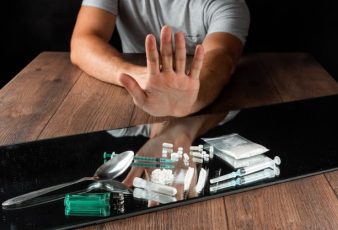












Inpatient rehabilitation, often referred to as residential rehab, is a structured and immersive approach to recovery for individuals struggling with substance use disorders, behavioral addictions, or co-occurring mental health conditions.
Unlike outpatient programs, inpatient rehab requires patients to live at the facility for the duration of their treatment, which can range from 30 days to several months.
Inpatient rehab provides a safe, controlled environment where patients can focus entirely on recovery without the distractions or triggers of their daily life.
Beyond just detoxification, these programs offer therapy, medical supervision, life skills training, and support networks that significantly enhance the likelihood of sustained sobriety.
Top Benefits of Inpatient Rehab
This guide explores the top benefits of inpatient rehab, helping patients, families, and caregivers understand why this treatment approach can be life-changing.
1. Comprehensive Medical and Clinical Supervision

One of the most significant advantages of inpatient rehab is 24/7 medical and clinical supervision.
Many substances, particularly alcohol, opioids, and benzodiazepines, can lead to life-threatening withdrawal symptoms. Inpatient programs provide:
- Continuous monitoring by trained medical staff
- Immediate intervention if complications arise
- Supervised medication-assisted detoxification (when needed)
- Access to emergency care if severe reactions occur
Benefit: Patients undergoing inpatient rehab are safer during detox, reducing the risk of seizures, heart problems, or other medical emergencies.
Example: A person with long-term alcohol dependence may experience delirium tremens during withdrawal, a condition that can be fatal without medical supervision.
Inpatient rehab ensures they are monitored and treated immediately.
2. Structured and Safe Environment
Inpatient rehab facilities offer a controlled, structured environment free from external distractions, stressors, and triggers that often lead to relapse.
Key components of this environment include:
- Scheduled daily routines: Patients follow structured schedules for therapy, meals, exercise, and recreation.
- Safe surroundings: No access to alcohol or illicit substances, reducing temptation.
- Supportive peers: Interacting with others in recovery reinforces positive behaviors.
Benefit: This structure allows patients to focus solely on recovery, fostering discipline and consistency in lifestyle changes.
Additional note: The immersive nature of inpatient rehab is particularly beneficial for individuals with severe addiction or co-occurring mental health disorders, as it removes the unpredictability of daily life that can impede recovery.
3. Intensive Therapy and Counseling
Inpatient rehab programs provide daily therapy sessions, which are more frequent and intensive than outpatient care. Therapy includes:
- Individual therapy: Focuses on understanding triggers, developing coping mechanisms, and addressing underlying issues contributing to addiction.
- Group therapy: Encourages peer support and accountability while exploring shared experiences.
- Family therapy: Helps repair relationships and educate family members about addiction.
Benefit: The consistent exposure to therapy in inpatient settings promotes deep psychological healing and equips patients with practical skills for long-term recovery.
Example: A patient struggling with opioid addiction may learn strategies to handle cravings through cognitive behavioral therapy (CBT), applied daily in sessions over several weeks.
4. Medical Detoxification Support

Detoxification is often the first step in inpatient rehab, especially for individuals with physical dependence.
- Supervised detox: Ensures withdrawal symptoms are managed safely.
- Medication-assisted treatment (MAT): Uses medications such as buprenorphine or naltrexone to ease withdrawal and reduce cravings.
- Holistic support: Nutritional guidance, hydration, and sleep management help the body recover.
Benefit: Patients are more likely to complete detox successfully without relapsing or experiencing dangerous complications.
Additional note: Detox alone is rarely sufficient for long-term recovery. Inpatient rehab combines detox with therapy, skill-building, and support networks, providing a comprehensive treatment approach.
5. Focused Individualized Treatment Plans
Every patient in inpatient rehab receives a personalized treatment plan tailored to their specific needs. Factors considered include:
- Type and severity of addiction
- Co-occurring mental health disorders
- Medical history
- Social and environmental triggers
Treatment plans may combine behavioral therapy, medication management, life skills training, and wellness programs.
Benefit: Personalized care ensures patients address the root causes of addiction, not just the symptoms, increasing the likelihood of lasting sobriety.
Example: Someone with alcohol addiction and anxiety might receive CBT for anxiety management, MAT for alcohol dependence, and relaxation techniques to prevent relapse.
6. Peer Support and Group Dynamics
A significant benefit of inpatient rehab is the community of peers undergoing similar experiences. Patients share challenges, victories, and coping strategies, creating:
- Accountability networks: Encourages commitment to recovery goals
- Emotional support: Reduces feelings of isolation or shame
- Social learning: Observing how others handle triggers can improve personal coping strategies
Benefit: Peer support strengthens motivation, self-efficacy, and resilience, which are critical for maintaining recovery after discharge.
Additional note: Group dynamics also teach patients effective communication, conflict resolution, and empathy, skills transferable to real-world social environments.
7. Development of Life Skills and Coping Mechanisms
Inpatient rehab often goes beyond therapy to teach life skills necessary for a sustainable recovery:
- Stress management techniques (mindfulness, meditation, yoga)
- Time management and organization skills
- Healthy coping strategies for cravings
- Financial and vocational counseling
Benefit: Patients leave rehab with practical tools to navigate daily life without relying on substances.
Example: A recovering individual might learn journaling and mindfulness exercises to manage anxiety triggers instead of turning to alcohol.
8. Holistic and Complementary Therapies

Modern inpatient rehab often incorporates holistic approaches to support physical, mental, and emotional recovery, including:
- Yoga and meditation for stress relief
- Nutritional counseling to restore physical health
- Art, music, or recreational therapy for self-expression
- Exercise programs to improve physical fitness and mental well-being
Benefit: These therapies promote overall well-being, making recovery sustainable and enjoyable.
Additional note: Holistic interventions also help patients reconnect with hobbies and interests that support a balanced lifestyle, reducing relapse risk.
9. Reduced Risk of Relapse
Inpatient rehab minimizes exposure to triggers such as:
- Peer pressure or social environments with substance use
- High-stress or chaotic home situations
- Easy access to alcohol or drugs
Benefit: By removing these triggers, patients can focus on building coping mechanisms and stabilizing their mental health before returning to everyday life.
Example: Patients who complete inpatient rehab often report fewer early relapses compared to outpatient-only programs, particularly in the critical first 30–90 days after detox.
10. Addressing Co-Occurring Disorders
Many individuals in rehab struggle with dual diagnosis, where addiction coexists with mental health conditions like depression, anxiety, or PTSD.
Inpatient programs provide:
- Integrated treatment plans addressing both addiction and mental health
- Psychiatric evaluations and medication management
- Therapy sessions tailored for co-occurring disorders
Benefit: Treating both conditions simultaneously reduces the likelihood of relapse and improves overall mental health outcomes.
11. Family Involvement and Support Systems
Family plays a crucial role in recovery. Inpatient rehab programs often involve:
- Family counseling sessions
- Education about addiction and relapse prevention
- Guidance on rebuilding relationships
Benefit: Strengthening family bonds and educating loved ones creates a supportive environment, improving the patient’s chance of long-term recovery.
12. Long-Term Aftercare Planning

Successful inpatient rehab includes planning for life after discharge, which may include:
- Outpatient therapy or counseling
- Participation in 12-step programs or support groups
- Relapse prevention strategies
- Continued medical or psychiatric follow-up
Benefit: Patients are equipped for sustained sobriety with a roadmap to maintain the skills and coping mechanisms learned in rehab.
Additional Benefits
Other notable benefits of inpatient rehab include:
- Reduced shame and stigma: Being in a supportive environment normalizes recovery.
- Focus on holistic health: Sleep, nutrition, and physical activity are prioritized.
- Peer mentorship opportunities: Patients can later guide new participants, reinforcing their recovery.
- Safe experimentation with new routines: Allows patients to test coping strategies without risk of relapse in the real world.
Who Can Benefit Most from Inpatient Rehab?
Inpatient rehab is particularly effective for:
- Individuals with severe substance dependence
- Patients with multiple substance addictions
- People with co-occurring mental health conditions
- Those with repeated relapses in outpatient settings
- Individuals who need a structured, immersive environment for recovery
While outpatient programs work for mild cases, inpatient rehab provides a comprehensive, intensive, and supportive approach for more complex or severe cases.
FAQs
Here are a few questions and queries on the topic of top benefits of inpatient rehab that others have asked, and you might think helpful at the same time.
1. How long does inpatient rehab usually last?
Most inpatient rehab programs last between 30 days and 90 days, though some individuals may benefit from longer stays depending on the severity of addiction, co-occurring mental health issues, and personal progress.
Some facilities offer short-term programs for early intervention, while extended programs of 6 months or longer focus on deep behavioral therapy and relapse prevention.
The duration is typically determined after an initial assessment, and flexibility is often provided to meet each patient’s recovery needs.
2. Is inpatient rehab covered by insurance?
- Many insurance plans cover partial or full costs of inpatient rehab, including detoxification and therapy sessions.
- Coverage depends on your insurance provider, plan type, and the medical necessity of the program. Some insurers may require pre-authorization or documentation from a healthcare provider.
- Out-of-pocket options are available for those without insurance, and many rehabs offer sliding-scale fees or payment plans.
- Tip: Contact your insurance provider and the rehab facility before admission to clarify coverage details and reduce financial stress.
3. Will I be able to leave the facility during treatment?
- Inpatient rehab is designed as a residential program, meaning patients usually stay onsite 24/7 to avoid exposure to triggers and risky environments.
- Some facilities may allow supervised passes for specific purposes, such as family emergencies or medical appointments.
- Adherence to facility rules is important, as leaving the program unsupervised may jeopardize progress and safety.
- Tip: Discuss expectations for leave during the intake process so you fully understand restrictions.
4. Can family members visit?
- Most inpatient programs allow visitation at designated times to maintain family connections and support recovery.
- Visits can also occur virtually via video calls, especially for long-distance families.
- Family involvement may include participation in family therapy sessions, educational workshops, or counseling to help loved ones understand addiction and recovery processes.
- Tip: Family engagement during rehab is strongly encouraged, as supportive relationships improve long-term outcomes.
5. What types of therapy are included?
Inpatient rehab provides a comprehensive range of therapies, tailored to each patient:
- Cognitive Behavioral Therapy (CBT): Helps identify triggers, replace harmful behaviors, and develop coping strategies.
- Group Therapy: Provides peer support, accountability, and the opportunity to share experiences with others in recovery.
- Family Therapy: Repairs strained relationships and improves communication skills.
- Motivational Interviewing: Encourages patients to explore their personal motivation for recovery.
- Holistic and Complementary Therapies: Yoga, meditation, art therapy, and mindfulness-based programs support emotional and physical well-being.
Benefit: The variety ensures patients address both the psychological and emotional aspects of addiction, which is crucial for long-term recovery.
6. How does inpatient rehab help with mental health?
- Many patients struggle with co-occurring disorders, such as depression, anxiety, PTSD, or bipolar disorder, alongside substance use.
- Inpatient rehab offers integrated treatment, combining addiction therapy with mental health care.
- Psychiatrists or licensed therapists monitor and manage medications, therapy sessions, and behavioral interventions to stabilize mental health during recovery.
- Tip: Discuss any pre-existing mental health conditions during intake to ensure your care plan addresses both addiction and mental health needs simultaneously.
7. Will I experience withdrawal symptoms in rehab?
Withdrawal is a natural part of detoxification for individuals physically dependent on substances such as alcohol, opioids, benzodiazepines, or stimulants.
In inpatient rehab, withdrawal symptoms are closely monitored and medically managed, reducing discomfort and potential health risks.
Medications and supportive care help manage:
- Nausea and vomiting
- Anxiety and agitation
- Muscle aches and tremors
- Sleep disturbances
Tip: Full disclosure about substance use history is essential for the medical team to tailor detox safely.
8. How soon will I see results?
Detox and stabilization often occur within the first week of admission. Patients may notice physical relief and initial mental clarity.
Behavioral and emotional improvements develop over weeks of therapy, as patients learn coping skills and address underlying psychological issues.
Recovery is a gradual process; ongoing practice of learned skills is essential for long-term sobriety.
Tip: Set realistic expectations progress is measured in behavioral changes and coping improvements, not instant sobriety.
9. What happens after discharge?
After completing inpatient rehab, patients are encouraged to participate in aftercare programs, which may include:
- Outpatient therapy
- Support groups (such as AA or NA)
- Continued medical supervision for co-occurring conditions
- Life skills coaching and vocational guidance
Aftercare ensures a smooth transition to daily life and reduces the risk of relapse.
Tip: Early planning for post-rehab life is crucial patients should develop a relapse prevention plan and maintain a support network.
10. Is inpatient rehab suitable for everyone?
Inpatient rehab is most beneficial for:
- Individuals with moderate to severe addiction
- People who have tried outpatient programs unsuccessfully
- Those with co-occurring mental health disorders
- Individuals needing a structured, distraction-free environment
Mild cases or those with strong external support may succeed in outpatient programs, but inpatient rehab provides intensive care for high-risk situations.
11. How is inpatient rehab different from outpatient programs?
- Inpatient: Patients live onsite, receive 24/7 supervision, participate in intensive therapy, and follow a structured daily routine.
- Outpatient: Patients visit the facility for therapy sessions but live at home, maintaining work, school, or family responsibilities.
- Benefit of inpatient: Greater focus, reduced exposure to triggers, and intensive support for complex or severe addictions.
12. Can I work or attend school during inpatient rehab?
Most inpatient programs require a temporary leave from work or school to ensure focus on recovery.
Some long-term programs offer flexible scheduling or educational support, but the main priority is full immersion in therapy.
13. How are meals and nutrition handled in rehab?
Inpatient rehab provides balanced, nutritious meals tailored to support physical recovery. Nutrition is important for detoxification, mood stabilization, and overall health.
Some programs include nutritional counseling to educate patients on healthy eating habits for long-term wellness.
14. Will I have access to recreational activities?
Yes, most inpatient programs offer exercise, sports, art therapy, meditation, or music therapy.
Recreational activities improve mental health, reduce stress, and build social skills, making recovery more holistic.
15. How is privacy handled in inpatient rehab?
Inpatient facilities follow strict confidentiality policies to protect patients’ personal and medical information.
Group therapy sessions are conducted in a safe, private setting, ensuring patients can share openly without fear of stigma.
16. Can I take medications during rehab?
Patients can continue prescribed medications under supervision, particularly for mental health conditions.
Some medications may be adjusted or monitored to prevent interactions with detox or therapy medications.
Tip: Disclose all medications during intake to ensure safe and effective treatment planning.
17. How is success measured in inpatient rehab?
Success is not solely about complete abstinence it includes:
- Reduced cravings
- Improved coping mechanisms
- Emotional stability
- Stronger relationships and life skills
Long-term success also depends on engagement in aftercare programs.
18. How do I know if inpatient rehab is the right choice?
Consider inpatient rehab if:
- You’ve experienced repeated relapses
- You struggle with multiple substances
- You have co-occurring mental health issues
- Your home environment is not conducive to recovery
Tip: Consulting with a medical professional or addiction specialist can help determine the most appropriate level of care.
19. Are there age restrictions for inpatient rehab?
Many facilities accept adults 18 and older, while some specialize in adolescents or seniors. Programs are tailored to the developmental and social needs of different age groups.
20. How much does inpatient rehab cost?
Costs vary widely depending on:
- Length of stay
- Level of medical supervision
- Type of facility (luxury vs. standard)
- Inclusion of holistic or specialty therapies
Tip: Most facilities provide insurance assistance, payment plans, and financial counseling to make care accessible.
Benefits Of Inpatient Rehab
Inpatient rehab offers a wide array of benefits that go beyond simple detoxification.
From medical supervision and intensive therapy to peer support, life skills training, and holistic wellness approaches, inpatient programs provide a controlled and nurturing environment for recovery.
Patients benefit from:
- Safety during withdrawal and detox
- Structured daily routines
- Personalized treatment plans
- Peer and family support
- Holistic and complementary therapies
- Reduced risk of relapse
- Support for co-occurring disorders
- Long-term aftercare planning
Choosing inpatient rehab is a critical step for those struggling with severe addiction or co-occurring disorders, giving them the tools, support, and confidence to build a sustainable recovery.
By providing intensive, immersive care, inpatient rehab helps individuals not only achieve sobriety but also rebuild their lives, improving their physical, mental, and emotional well-being.