











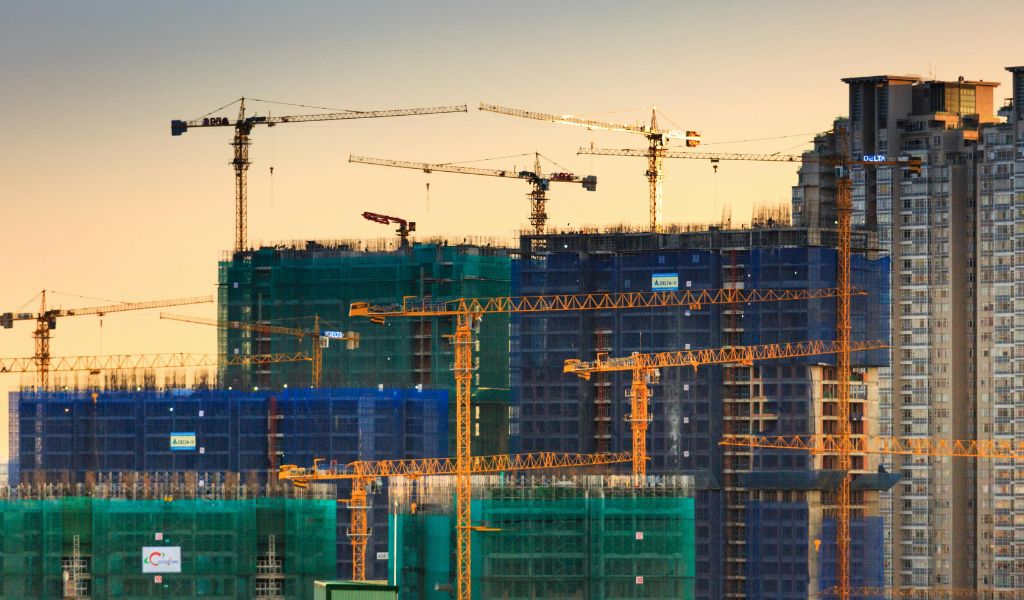
Large infrastructure programs across the Middle East and Africa demand a rare combination of engineering precision, logistical reach, and security awareness. Projects supporting diplomatic operations, defense readiness, and government stability often unfold in complex environments where mistakes carry serious consequences. Work delivered under the banner of Navigator International Global Construction has gained recognition for meeting those demands with consistency across multiple continents.
Strategic Construction Hubs in Northern and Sub-Saharan Africa
Government and defense infrastructure in Africa often depends on reliable regional construction hubs capable of supporting multiple mission sites at once. Facilities built in northern and sub-Saharan regions serve as staging points for logistics, engineering teams, and material distribution. These hubs help streamline construction timelines for projects that must move forward despite difficult terrain, limited transport routes, or unstable local infrastructure. Strong regional support networks also allow mission-critical developments to maintain steady progress even during unexpected disruptions. Engineers working under the standards associated with Navigator International Construction Company frequently design these hubs with built-in flexibility, allowing resources to shift quickly between projects located hundreds of miles apart.
Securing Diplomatic Missions and U.S. Embassy Facilities
Diplomatic compounds demand a unique construction approach that blends structural resilience with strict security design. Embassy facilities require reinforced building systems, layered access control zones, and hardened utility infrastructure to protect personnel and sensitive operations. Construction teams must also comply with international security specifications while working within host-nation environments.
Design professionals involved in Navigator International Government construction projects often integrate blast-resistant structures, secure communication systems, and controlled entry points into diplomatic sites. These protective measures ensure embassies can operate safely while supporting the diplomatic missions that connect governments across the world.
Rapid Infrastructure Deployment for Remote Military Outposts
Remote military installations frequently require new facilities in locations where traditional infrastructure barely exists. Construction teams must build roads, utilities, and operational structures in a compressed timeframe while ensuring the finished site meets demanding defense standards. Speed matters, but reliability matters even more.
Military planners depend on contractors who understand expeditionary construction conditions and who can mobilize specialized equipment quickly. Work performed by Nav Int teams often includes fast-build runways, secure command buildings, and operational support structures that allow remote bases to function effectively from the moment they open.
High-Security Perimeter and Structural Defense Engineering
Security perimeters represent the first line of protection for sensitive government and defense installations. These protective systems combine reinforced barriers, surveillance infrastructure, and defensive engineering to discourage intrusion and limit vulnerabilities. The design must account for both physical threats and environmental factors common to remote project locations. Structural defense engineering often includes anti-ram vehicle barriers, reinforced entry checkpoints, and layered security zones that create controlled access to mission areas. Specialists contributing to Navigator International Global Construction programs frequently integrate these features directly into the site design rather than treating them as separate add-ons.
Resilient Life Support Systems in Extreme Desert Climates
Construction projects in desert regions face environmental conditions that challenge even the most durable infrastructure. Extreme heat, sand infiltration, and limited water availability demand engineering solutions that can keep facilities operational year-round. Life support systems such as water purification, cooling networks, and power generation must perform without interruption.
Engineers working on Navigator International Construction Company projects often design mechanical systems specifically for desert durability. Advanced cooling plants, insulated utility corridors, and protected equipment housings help ensure buildings remain functional even during prolonged periods of intense heat and dust storms.
End-to-End Logistics for Mission-Critical Material Supply
Major international construction programs depend on steady material delivery across long supply chains. Equipment, steel, concrete components, and specialized security systems often travel through multiple countries before reaching the final job site. Coordinating these deliveries requires careful planning and reliable logistics partners.
Supply networks supporting Navigator International Government construction projects frequently involve coordinated shipping routes, staging warehouses, and rapid customs clearance strategies. This logistical coordination helps maintain construction schedules even when projects unfold in isolated or politically complex regions.
Specialized Command and Control Center Construction
Command and control facilities serve as operational brains for defense and security programs. These structures house communication networks, monitoring systems, and strategic planning operations that must function without interruption. The design process demands strict attention to both physical security and technical infrastructure.
Engineers involved in Nav Int developments typically incorporate redundant power systems, hardened communication rooms, and electromagnetic shielding into command center construction. These design choices allow leadership teams to maintain reliable communication and oversight during both routine operations and emergency scenarios.
Scalable Modular Housing for Expeditionary Workforce Camps
Large construction programs often require housing for hundreds of engineers, technicians, and support personnel working in remote environments. Temporary camps must offer safe living conditions while remaining adaptable as project staffing levels change. Modular housing solutions allow workforce communities to grow or shrink as project demands evolve.
Prefabricated housing units used in many Navigator International Global Construction deployments can be assembled quickly and expanded in phases. Durable materials and climate-controlled interiors help ensure workers remain comfortable and productive even in regions where local infrastructure offers few basic amenities.
Proven Performance in High-Threat International Environments
Many mission-critical construction programs occur in areas where security concerns remain constant. Engineers, construction teams, and logistics staff must work under strict safety procedures while still meeting demanding project schedules. Experience in high-threat environments becomes an essential qualification for contractors operating in these regions.
Operational history connected with Navigator International Construction Company projects shows how careful planning, disciplined security protocols, and experienced field teams can maintain progress despite unstable conditions. This performance record helps explain why government agencies often rely on Nav Int expertise when developing infrastructure in complex international locations.
Organizations seeking experienced partners for secure government facilities, defense infrastructure, and diplomatic construction programs often look toward global firms with proven field experience. Engineering teams connected with Navigator International continue delivering mission-critical construction services across challenging international regions. Their work supports governments and defense operations that depend on resilient facilities built to perform under demanding conditions.
Read Also: