








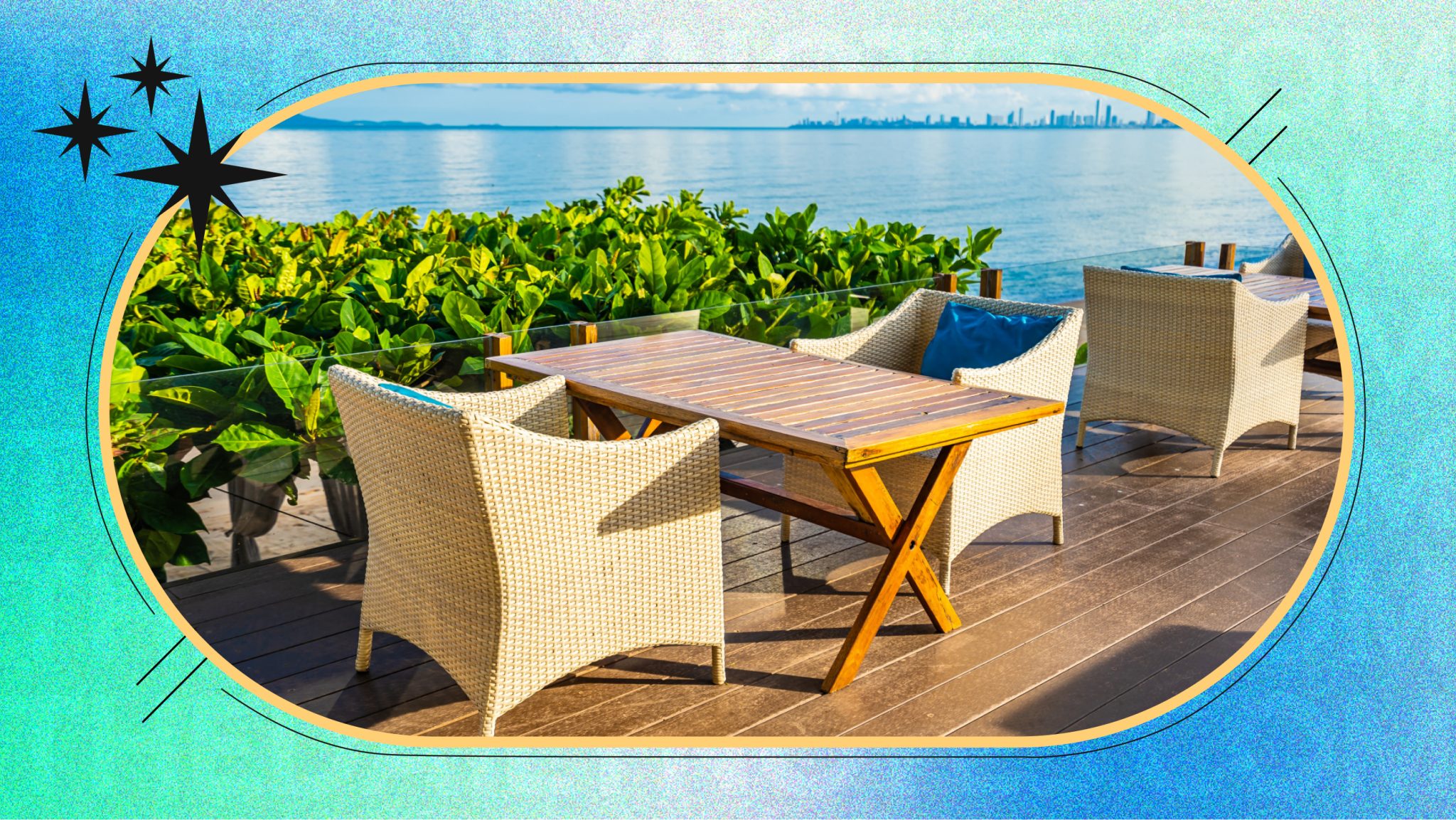
Outdoor furniture is more than just a functional addition to your home—it’s a statement of comfort and style.
From patios and decks to gardens and poolside lounges, outdoor furniture creates a space for relaxation, family gatherings, and socializing. However, the elements are constantly working against it.
Rain, humidity, sun, snow, frost, and even dust can damage outdoor furniture over time, reducing its lifespan and making it look worn or damaged.
Waterproofing your outdoor furniture is the most effective way to protect your investment, extend its lifespan, and maintain its aesthetic appeal.
But it’s not just about applying a spray or coat of paint; each material, environment, and season requires a different approach.
This guide will walk you through every step, technique, and best practice for waterproofing outdoor furniture, with actionable advice for wood, metal, wicker, fabric, and plastic pieces.
Why Waterproofing Outdoor Furniture Is Essential?
Waterproofing does more than just repel water it prevents structural damage, preserves finishes, reduces maintenance costs, and enhances safety. Without proper protection:
- Wood: Absorbs water, swells, cracks, and eventually rots. Untreated wood in humid or rainy climates may warp in months.
- Metal: Rust and corrosion weaken joints and make furniture unsafe. Even aluminum can oxidize over time.
- Fabric: Cushions and outdoor fabrics can develop mold and mildew, leading to stains and potential health risks.
- Plastic/Resin: UV exposure can cause cracking and brittleness, which is often mistaken for water damage.
By waterproofing, you create a protective barrier that deflects moisture, reduces UV damage, and makes cleaning much easier.
It also helps maintain resale value properly protected furniture can last decades instead of just a few years.
Understanding Outdoor Furniture Materials
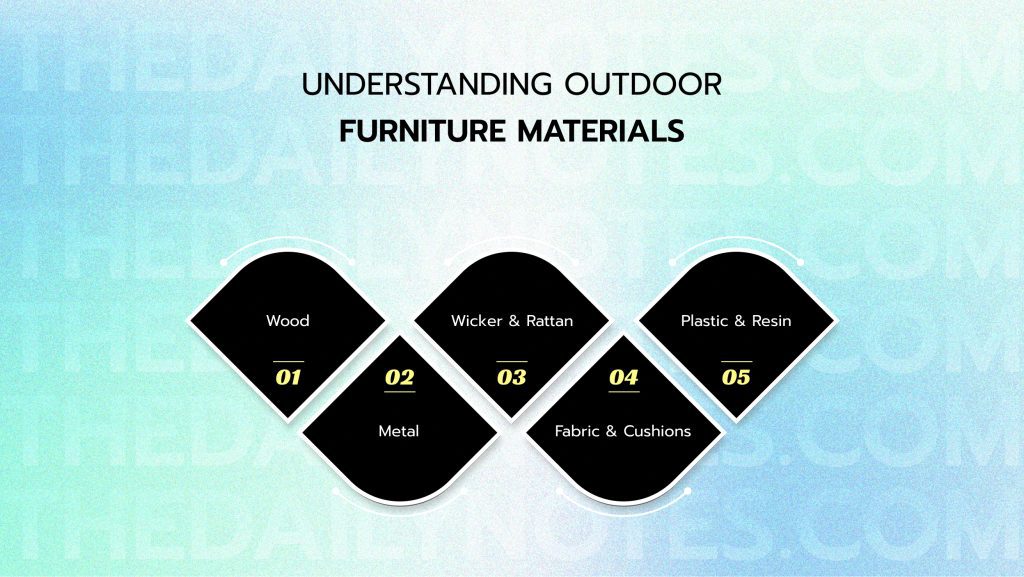
Before you waterproof, you must understand the material, as each reacts differently to moisture, UV, and environmental changes.
1. Wood
- Types: Teak, cedar, pine, redwood
- Characteristics: Wood expands and contracts with humidity. Untreated, softwoods like pine absorb moisture quickly, while hardwoods like teak have natural oils that resist water.
- Goal: Prevent water absorption, reduce cracking, and maintain natural appearance.
Tip: Even naturally water-resistant woods benefit from additional sealant or oil.
2. Metal
- Types: Steel, wrought iron, aluminum
- Characteristics: Metals may rust or corrode when exposed to water and oxygen. Salt air or poolside humidity accelerates this process.
- Goal: Apply a protective barrier (primer, paint, or powder coating) to prevent oxidation.
Pro Tip: Even aluminum, which is resistant to rust, can develop surface corrosion without UV protection.
3. Wicker & Rattan
- Natural Wicker/Rattan: Made from organic fibers; susceptible to rot when wet.
- Synthetic Resin Wicker: Water-resistant but can fade and become brittle in prolonged sun exposure.
- Goal: Protect from water while preventing sun damage.
Pro Tip: Natural wicker is best used under shade, even after waterproofing.
4. Fabric & Cushions
- Materials: Acrylic (Sunbrella), polyester blends, cotton blends
- Challenges: Water absorption leads to mildew, mold, and odors.
- Goal: Keep fabrics water-resistant while maintaining breathability.
Pro Tip: Always dry cushions thoroughly before storage.
5. Plastic & Resin
- Characteristics: Naturally water-resistant, but UV exposure can cause brittleness.
- Goal: Add UV protection to prolong life and prevent cracks.
How to Waterproof Wooden Furniture?
Wood requires careful treatment to prevent water damage.
1. Preparation
- Remove dirt, pollen, and debris using a soft brush or sponge.
- Wash with mild soap and water; allow wood to dry completely.
- Sand rough or weathered areas with 120–220 grit sandpaper for better adhesion.
- Wipe the surface clean with a tack cloth.
Pro Tip: Avoid power washing softwoods; high pressure can open pores and worsen water absorption.
2. Products for Waterproofing Wood
Here are a few products for waterproofing wooden furniture.
Oil-Based Penetrating Finishes
- Examples: Teak oil, tung oil, boiled linseed oil
- Penetrates wood fibers, repelling water and enhancing grain.
- Best for: Maintaining a natural wood look.
- Reapplication: Every 6–12 months, depending on weather exposure.
Sealants and Varnishes
- Examples: Marine varnish, spar urethane
- Creates a hard protective film on the surface.
- Best for: High-moisture environments like poolside areas.
- Considerations: May yellow over time; slightly glossy finish.
Wood Waterproofing Sealers
- Invisible barrier that prevents water penetration without changing color.
- Ideal for cedar, pine, and softer woods.
3. Step-By-Step Application
- Sand surface lightly; remove dust.
- Apply a thin, even coat of oil, varnish, or sealer using a brush or cloth.
- Let it penetrate or dry according to product instructions.
- Wipe excess oil (for oil finishes).
- Apply 2–3 coats for optimal protection.
- Let the furniture cure fully before use.
How to Waterproof Metal Furniture?
Metal furniture can rust if not treated, especially in humid or rainy climates.
1. Cleaning and Rust Removal
- Use wire brushes or sandpaper to remove rust spots.
- Wipe with mineral spirits to remove grease.
2. Protective Coatings
- Rust-Inhibiting Primer: Forms a base that prevents oxidation.
- Paint: Use rust-resistant spray paint for an added layer.
- Clear Protective Coating: Optional enamel or polyurethane for extra durability.
3. Powder Coating (Professional Option)
- Industrial method that coats metal with durable, weather-resistant powder.
- Pros: Long-lasting, highly protective
- Cons: Costly, requires professional application
Tip: Always check for loose screws or joints and treat them with a silicone spray to prevent rust in hidden areas.
How to Waterproof Wicker and Rattan Furniture?
Here are a few products for waterproofing wicker and rattan furniture.
1. Natural Wicker
- Clean with a soft brush; avoid soaking.
- Apply marine-grade varnish or clear sealant.
- Keep furniture out of prolonged direct rain.
2. Synthetic Resin Wicker
- Already water-resistant but vulnerable to sun.
- Apply UV-protectant spray to maintain color and flexibility.
Pro Tip: Place wicker furniture on a slightly elevated surface to avoid water pooling underneath.
How to Waterproof Outdoor Fabric and Cushions?
Here are a few products for waterproofing outdoor fabric and cushions.
1. Cleaning
- Wash with mild detergent and water; allow to dry completely.
- Remove mold or mildew with diluted vinegar solution if necessary.
2. Waterproofing Sprays
- Look for fabric protectants labeled “water repellent” or “outdoor.”
- Spray evenly; let dry for 24 hours.
- Reapply every 2–3 months, or after heavy rainfall.
3. Additional Tips
- Store cushions indoors during wet seasons.
- Use seam sealers for stitched areas to prevent water seepage.
- Avoid storing damp fabric in closed containers.
How to Waterproof Plastic and Resin Furniture?
Here are a few products for waterproofing plastic and resin furniture.
- Clean regularly to remove dirt and mildew.
- Apply UV-protectant sprays to prevent cracking and fading.
- Use shade or covers to reduce exposure to direct sun.
Tip: Plastic furniture is generally water-resistant, but UV damage is the main long-term concern.
Using Covers and Shelter for Added Protection
Even the best waterproofing benefits from additional protection:
- Covers: Waterproof, breathable, and secure with straps.
- Pergolas, umbrellas, or gazebos: Provide shade and rain protection.
- Storage: Move furniture indoors during off-season for maximum longevity.
How To Seasonal Maintenance of Waterproof Outdoor Furniture?
When it comes to waterproof outdoor furniture, every season has specific requirements.
- Spring
- Deep clean furniture; check for winter damage.
- Reapply oil, sealant, or waterproof sprays.
- Summer
- Monitor UV exposure; apply protectants as needed.
- Clean frequently to remove dust, pollen, and bird droppings.
- Fall/Winter
- Store cushions indoors.
- Cover all furniture; ensure drainage holes prevent water accumulation.
What are the Common Mistakes to Avoid?
- Skipping preparation before waterproofing
- Using expired or low-quality sprays
- Ignoring seams, joints, or stitching
- Leaving furniture uncovered for extended periods
- Recoating over dirty surfaces
Pro Tip: Regular inspection prevents small issues from becoming costly repairs.
What are Maintenance Tips and Long-Term Care of Outdoor Furniture?
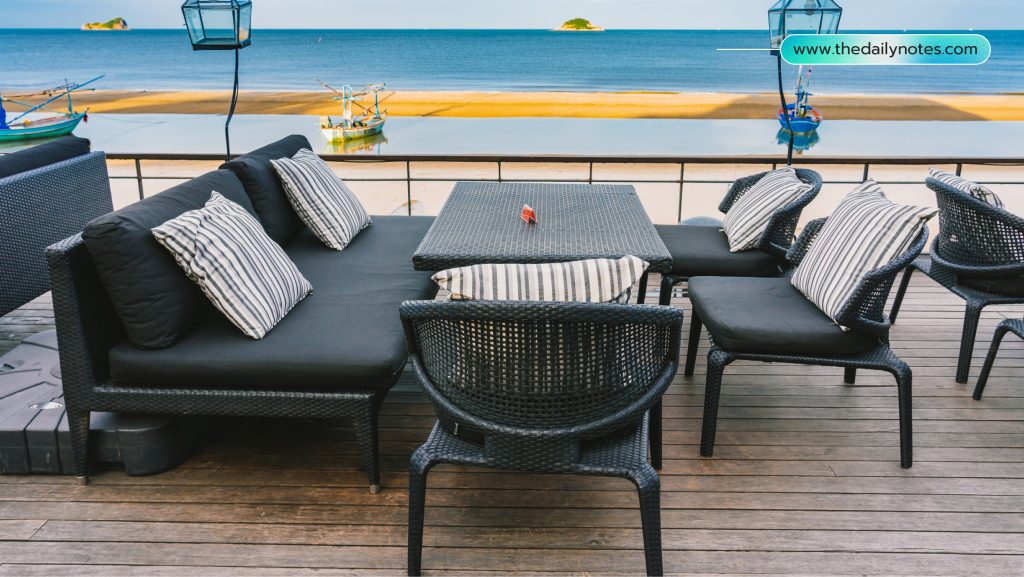
Here are a few tips for long term maintenance for long-term care of wooden outdoor furniture.
- Clean monthly, reapply sealants seasonally.
- Check for rust, cracks, or mildew regularly.
- Use furniture pads to prevent water accumulation underneath.
- For wooden furniture, reapply oil yearly; for fabrics, waterproof quarterly.
What are Advanced Techniques for Caring Outdoor Furniture?
- Thermal reflective coatings reduce heat absorption for wood.
- Silicone sprays protect metal joints and screws without surface buildup.
- Combination treatments: Using oil plus varnish on wood offers dual protection.
What are Cost Considerations of Outdoor Furniture?
| Item | Cost | Frequency |
|---|---|---|
| Oil finishes | $20–60 | Seasonal |
| Sealants | $25–80 | Annually |
| Fabric sprays | $10–30 | Quarterly |
| Powder coating | $100–300 | Multi-year |
| Furniture covers | $20–100 | Seasonal |
FAQs
Here are a few questions and queries on the topic of waterproof outdoor furniture that others have asked, and you might think helpful at the same time.
1. How often should I waterproof outdoor furniture?
The frequency of waterproofing depends on the material, climate, and exposure level:
- Wood: Reapply oil or sealant at least once a year, preferably before the rainy season. Hardwoods like teak may require less frequent treatment (every 1–2 years), while softer woods such as pine benefit from annual maintenance.
- Fabric/Cushions: Outdoor fabrics should be treated with a waterproof spray every 2–3 months, especially if cushions are left outside frequently or during heavy rainfall. Check seams and stitching, as water can seep through these areas.
- Metal: Apply protective coatings as needed, usually once a year or when you notice signs of rust or oxidation. Coastal areas with salty air may require more frequent checks and treatment.
- Plastic/Resin: While generally water-resistant, UV sprays or protectants should be reapplied every 6–12 months to prevent sun damage.
Pro Tip: Even if you live in a dry climate, seasonal waterproofing is recommended to protect against dew, humidity, and sudden storms.
2. Can I combine waterproofing methods?
Yes! Combining techniques often provides better long-term protection for outdoor furniture:
- Wood: Use an oil-based penetrating finish first to nourish the wood and enhance the grain, then apply a clear varnish or polyurethane coat on top. This combination repels water and creates a durable surface layer.
- Metal: Start with a rust-inhibiting primer, then add paint for color and UV protection, and finish with a clear enamel coat for extra defense.
- Fabric: Some outdoor fabrics benefit from a combination of pre-wash cleaning, water-repellent spray, and seam sealers to ensure all stitching and seams remain waterproof.
Pro Tip: When layering treatments, always follow drying times and manufacturer instructions. Overlapping or rushing coats can reduce effectiveness and create sticky surfaces.
3. Will waterproofing change the furniture’s appearance?
The effect depends on the product and material:
- Wood: Oil-based finishes can slightly darken or enrich the natural color of wood, enhancing its grain and texture. Clear sealants or varnishes generally maintain the original look. Matte finishes preserve the rustic style, while glossy varnishes add shine.
- Metal: Paints and primers can change the color, but clear enamel coatings maintain the original finish. Avoid cheap sprays that yellow or flake over time.
- Fabric: Some sprays may slightly stiffen fabrics initially but usually dry transparent. UV-protective sprays help maintain original colors without noticeable changes.
Pro Tip: Test waterproofing products on a small, inconspicuous area first to ensure you’re happy with the visual effect before applying to the entire piece.
4. Can I DIY all waterproofing?
Many waterproofing methods are DIY-friendly, but some procedures require professional expertise:
- DIY-Friendly:
- Wood oils, sealants, varnishes
- Fabric waterproofing sprays
- Metal primers, spray paints, and enamel coatings
- Plastic UV protectant sprays
- Professional Help Recommended:
- Powder coating for metal furniture
- Advanced wood restoration or refinishing
- Repairing heavily weathered or cracked furniture before waterproofing
Pro Tip: Even when DIY is possible, proper surface preparation, cleaning, and sanding are critical to ensure the coating adheres and performs effectively. Skipping prep is the most common cause of waterproofing failure.
5. Can waterproofing protect furniture from sun damage as well?
Yes! Many waterproofing products also provide UV protection, which prevents fading, cracking, and brittleness caused by sun exposure.
- Wood finishes often include UV inhibitors to reduce color changes and surface degradation.
- Fabric sprays and cushion protectants block UV rays while repelling water.
- Metal coatings with clear enamel prevent oxidation accelerated by sunlight.
Pro Tip: In areas with intense sunlight, consider adding furniture covers, shade, or pergolas in addition to waterproofing for maximum protection.
6. What should I do if my furniture has already started to rot or rust?
Early intervention is key:
- Wood: Sand away the damaged area, treat with wood preservative, then apply waterproofing oil or sealant. Deep rot may require replacement of planks.
- Metal: Remove rust with a wire brush or sandpaper, apply rust-inhibiting primer, and repaint. Severe corrosion may require professional treatment.
- Fabric: Replace heavily moldy or damaged cushions; waterproofed fabrics won’t restore existing mold.
Pro Tip: Preventive maintenance is always easier and cheaper than repairing severely damaged furniture.
7. Is it necessary to remove furniture from outdoor locations for waterproofing?
Not always, but moving furniture to a shaded or well-ventilated area makes the process easier and safer:
- Prevents dust, debris, or insects from sticking to wet coatings.
- Ensures even application of sprays, oils, or sealants.
- Reduces accidental stains on decks, patios, or lawns.
Pro Tip: Cover the surrounding area with old sheets or cardboard when spraying or brushing to protect surfaces from overspray or drips.
To Sum Up!
Waterproofing outdoor furniture is essential for durability, safety, and aesthetics. Proper care ensures your patio, deck, or garden remains inviting year-round.
By understanding materials, using the right products, and following seasonal maintenance, your furniture can last decades while staying beautiful.